

Around twenty years ago, for those living in Bandung, the struggle of travelling to capital Jakarta was real.
One had to spend around five hours to reach the capital with a very limited number of transportation modes available.
Reaching the capital was both exhausting and time-consuming. Most of intercity buses connecting the two cities were far from being comfortable and reliable with most of the road sections connecting the cities in such a poor condition that some passengers had to endure motion sickness during the trip.
Train services between Jakarta and Bandung were also still limited with the fee relatively high given the low purchasing power of most people at the time. Planes were only for the rich.
Jakarta, for most Bandung residents at that time, felt like a truly distant place in far away in the north.
Fast forward to 2005, we had Cikampek-Purwarkara-Padalarang (Cipularang) toll road, which was a game changer for connectivity between the two cities. Travel time was significantly cut. If traffic was smooth, one could reach Jakarta from Bandung in around three hours.
The operation of the toll road has subsequently spurred the growth of economic sectors in both cities such as transportation sector, tourism sector, logistic sectors and other related sectors. Residents in Bandung can now without too much trouble travel to Jakarta and vice versa. It’s very common to find people who travel from Bandung to Jakarta in the morning and return to Bandung in the afternoon.
Bandung has since become one of most favorite weekend getaways for many Jakarta’s residents, sometimes causing gridlocks and congestion in the West Java provincial capital.
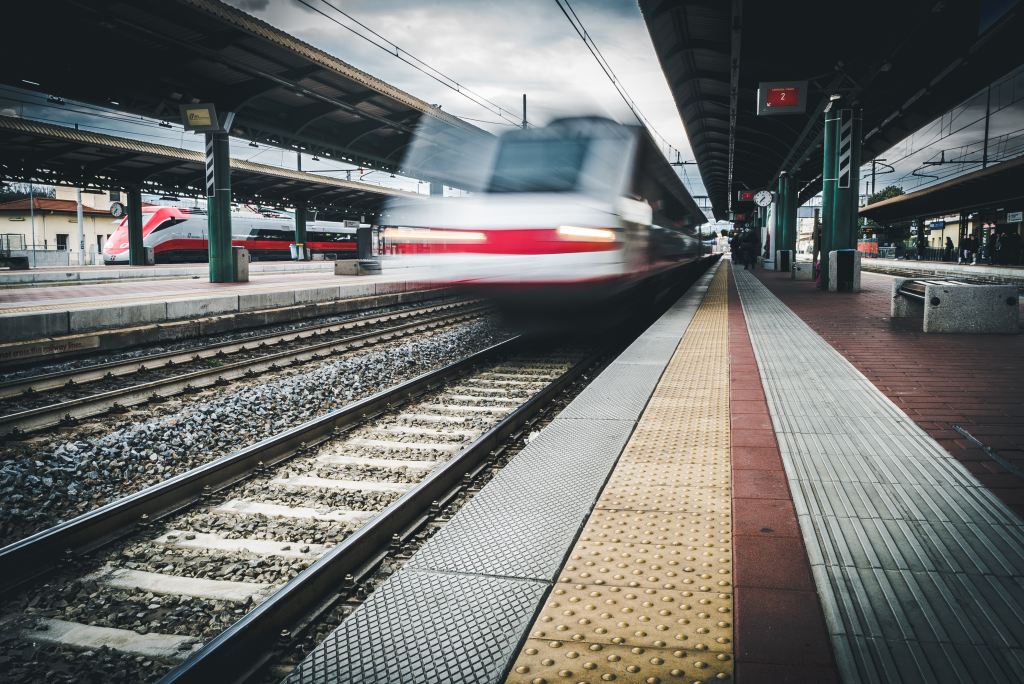
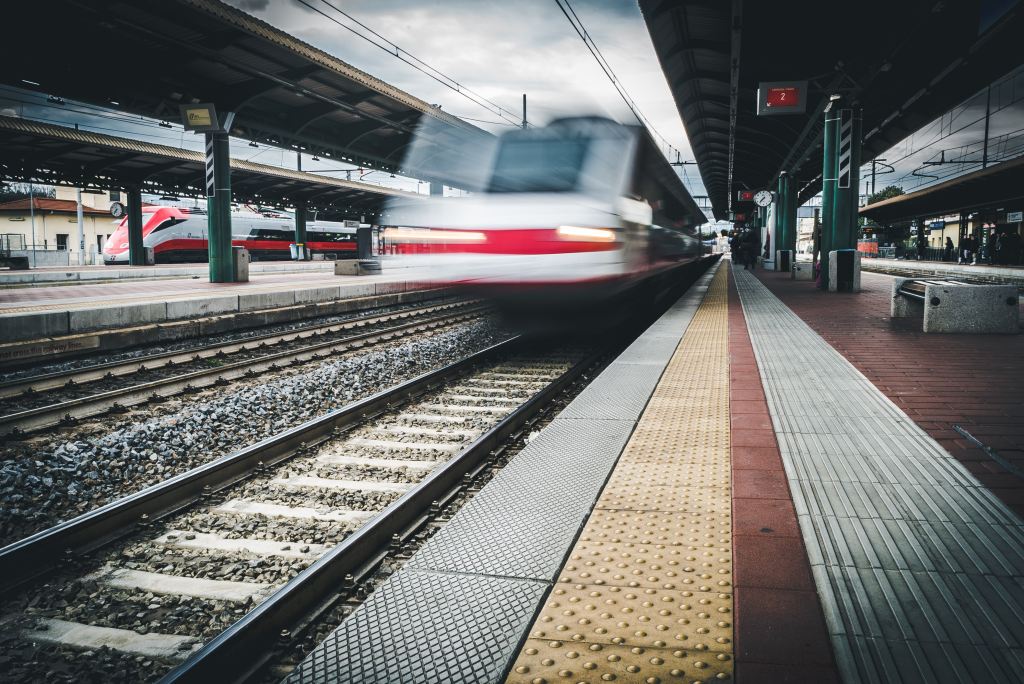
Today, or eighteen years after the opening the Cipularang toll road, we are about to witness another milestone in the connection between the two cities with the operation of Jakarta – Bandung high-speed trains, which are designed to run on the 142-kilometer line at a maximum speed of 350 km per hour, cutting travel times to about 40 minutes from the roughly 3 hours currently required.
As a person who regularly travel between the two cities, I consider the high-speed train another game changer in a higher level after I witnessed the Cipularang game changer eighteen years ago.
However, the high-speed train project is not without controversies and concerns.
To respond to them, there are several steps that the government can take.
First, on safety aspect. The operation of a high-speed train in Indonesia is unprecedented. In Southeast Asia, Indonesia is the first country to operate a high-speed train. Some critics have raised the issue of safety regarding its operation. Hence, it is incumbent upon the government to put safety aspect above everything, including for the operation of this high-speed train.
The reputation of Indonesia’s public transportation has been tainted with many transportation incidents. The operation of the high-speed train can be a golden opportunity for the government to prove that Indonesia can make headway in its transportation sector by providing fast, reliable, AND safe public transport.
Second, fare. For many, fare, in addition to safety aspect, is one of the most important factors when choosing a mode of transport. For the high-speed train to be widely accepted and used, the fee must be made competitive. A thorough study is needed to ensure that the fares can be affordable for many people and be competitive with the fares of other modes of transport connecting the two cities such as train or buses.
The planned fares of the high-speed train have already been met with rejection, with critics saying the fares are too high. State-owned railway company PT Kereta Api Indonesia (Persero) that will operate the train has revealed that the fares price would range from Rp. 250,000 to Rp. 350,000. The government still has time to review and adjust the fares if possible before the train operates.
Third, connectivity from and to the train stations. Many of the stations are located away from city centers. Two stations in Bandung are located in the suburbs of the city, about 30 to 45 minutes away from the city center by car. The government has already responded to the concern by providing feeder train services to transport passengers from Padalarang to the city center of Bandung and vice versa.
However, it must be ensured that the feeder train services can be truly reliable and will not create new problems instead. Unreliable feeder trains services would discourage the people to travel by the high-speed train. The whole travel time from Jakarta’s city center to the station in Jakarta, from the station in Jakarta to the Padalarang’s station, and from Padalarang’s station to Bandung’s station must not exceed the whole travel time needed when one travels from Bandung to Jakarta and vice versa by regular trains or buses. Indonesia’s Transportation Ministry has also said that the railway network would join the existing LRT and busway systems in a new transportation hub in East Jakarta.
In my calculation, for those living Central Jakarta and wants to reach the city of Bandung, travelling by the high-speed train would probably take around 90 minutes, after considering time to reach the Jakarta’s station and the time needed to reach Bandung’s city station from Padalarang’s station. On condition that traffic in Jakarta is not too bad.
Bandung – Jakarta high-speed train is almost here to stay. Despite everything, I believe it would be the next game changer for the connectivity between the two cities.
It is hoped that with the operation of the train, economies in the two cities can continue to grow and connectivity between the two cities can further improve. If possible, the operation of the fast train can help ease traffic congestion in Jakarta as Bandung residents who work or study in the capital probably no longer have to stay in Jakarta.
The high-speed fast train can also probably usher in a new era not only for connectivity between two Indonesia’s major cities but also for transportation sector in Indonesia as a whole.


 ersanpamungkas.com
Leave a comment